


Drywall metal partitions, also known as metal stud partitions, are a modern solution for creating internal walls and partitions in various types of buildings. Drywall metal partitions also called drywall stud and track, which is manufacturing by Drywall Stud And Track Roll Forming Machine.
These systems combine the strength and durability of metal frames with the versatility and ease of installation of drywall, providing a highly effective means to structure and divide spaces within residential, commercial, and industrial buildings. In this article, we will explore what drywall metal partitions are, the common types of drywall metal partitions (such as stud and track), the manufacturing process of these partitions, and their key features.
1. What Are Drywall Metal Partitions?
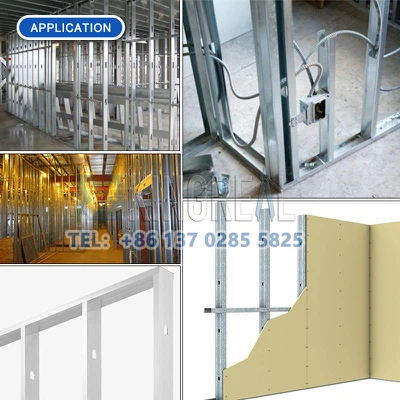
Drywall metal partitions are constructed using metal studs and tracks combined with drywall panels to form internal walls and partitions. These partitions are widely used in different building types, including homes, offices, hospitals, schools, and hotels. The use of metal frames provides durability and strength, while drywall panels offer a smooth and versatile surface for finishing.
Drywall metal partitions are ideal for creating independent rooms or sections within a building, ensuring structural flexibility and durability. The metal framework typically consists of lightweight steel, which, when combined with drywall or other panel materials, provides a robust and flat wall surface.
2. Common Types of Drywall Metal Partitions
In the drywall metal partitions system, the most common components include studs and tracks:
Stud:
Studs are the vertical metal elements that provide structural support to the partition. They are usually made of galvanized steel, which offers both strength and resistance to corrosion. Studs come in various sizes and gauges to suit different structural requirements. Studs are installed at regular intervals along the partition, forming the main framework. They hold the drywall panels in place and provide the necessary rigidity to the partition.
Tracks:
Tracks are the horizontal metal channels fixed to the floor and ceiling, serving as the base and top supports for the studs. Tracks are also made from galvanized steel and are designed to match the size and gauge of the studs. Tracks provide a secure anchor for the studs and ensure the overall stability of the partition. The studs are inserted into the tracks, creating a solid framework to which the drywall panels are attached. By using a combination of studs and tracks, drywall metal partitions can be customized to fit various architectural designs and functional requirements. These components work together to create a strong and stable partition system that can accommodate different types of drywall panels and finishes.
3. How Are Drywall Metal Partitions Manufactured?
"The manufacturing process of drywall metal partitions involves several key steps"
Design and Measurement
Before installation, thorough planning and measurement are essential. This involves reviewing architectural plans, determining the precise location and dimensions of the partitions, and identifying any special requirements or constraints.
Material Preparation
Based on the measurements and design specifications, the necessary materials are prepared. This includes selecting the appropriate size and gauge of studs and tracks and procuring the required drywall panels, fasteners, and other accessories.
Track Installation
The installation process starts with fixing the tracks to the floor and ceiling. The tracks are securely anchored to the building structure using suitable fasteners, ensuring they are perfectly aligned and level.
Stud Installation
Next, the studs are vertically inserted into the tracks at regular intervals, typically spaced 16 or 24 inches apart. The studs are then fixed in place using screws or other fasteners, creating a rigid framework.
Drywall Panel Installation
Once the metal framework is complete, the drywall panels are attached to the studs using drywall screws. The panels are carefully positioned to ensure a tight fit, with seams between panels properly aligned.
Seam Treatment
To achieve a smooth and seamless finish, the seams between drywall panels are taped and joint compound is applied. This process, known as taping and mud, helps to conceal the joints and create a uniform surface.
After the joint compound has dried and been sanded smooth, the partition is ready for the final surface treatment. This may include painting, wallpapering, or applying other types of wall finishes as specified in the design. The manufacturing and installation process for drywall metal partitions is relatively straightforward, but it requires careful attention to detail to ensure the partitions are correctly aligned and securely fastened. Proper installation is crucial for achieving the desired structural integrity and aesthetic quality.
4. What Are the Features of Drywall Metal Partitions?
- One of the most significant advantages of drywall metal partitions is their lightweight nature. The use of galvanized steel for the studs and tracks ensures that the partitions are strong yet not excessively heavy. This makes them easier to handle and install compared to traditional masonry walls.
- Metal studs and tracks are highly durable and resistant to various environmental factors. They do not warp, rot, or suffer from insect damage, making them a long-lasting solution for internal partitions. Additionally, galvanized steel offers excellent corrosion resistance, ensuring the longevity of the partition system.
- Drywall panels used in these partitions can be selected for their specific properties, including soundproofing and fire resistance. By using specialized drywall panels, it is possible to create partitions that effectively reduce noise transmission and provide enhanced fire protection.
- Drywall metal partitions are highly versatile and can be used in a wide range of applications. They can be easily modified or removed if needed, making them suitable for both permanent and temporary installations. Their adaptability makes them ideal for creating flexible works-paces, temporary rooms, and more.
- The materials used in drywall metal partitions are often recyclable, contributing to sustainable building practices. Metal studs and tracks can be recycled at the end of their life cycle, reducing the environmental impact of construction projects.
- Drywall metal partitions offer great design flexibility, allowing for the creation of various architectural features such as curved walls, bulkheads, and recessed areas. This flexibility enables architects and designers to achieve innovative and aesthetically pleasing interiors.
Drywall metal partitions are a highly effective and versatile solution for creating internal walls and partitions in various buildings. Their combination of strength, durability, ease of installation, and design flexibility makes them a popular choice in modern construction. Whether used in residential, commercial, or industrial settings, these partitions provide a reliable and efficient means of structuring and dividing spaces.
Hope you find this article helpful! If you need further information or have any other questions, feel free to let me know!