

In the industrial manufacturing of steel structure systems, the t profile making machine and ceiling t grid making machine serve as two pivotal pieces of equipment. Because the profiles produced by both machines feature a T-shaped cross-section, they are frequently confused by industry newcomers-or by manufacturers and clients making their first purchase-sometimes even leading to confusion during the product search and selection process. However, from their specific applications and material compatibility to their fundamental equipment design, these two machines possess essential differences. This article aims to provide a comprehensive analysis of both the t profile making machine and the ceiling t grid making machine to help users accurately distinguish between them.
▍Key Distinctions Between T Profile and Ceiling T Grid Making Machines
1. Core Applications
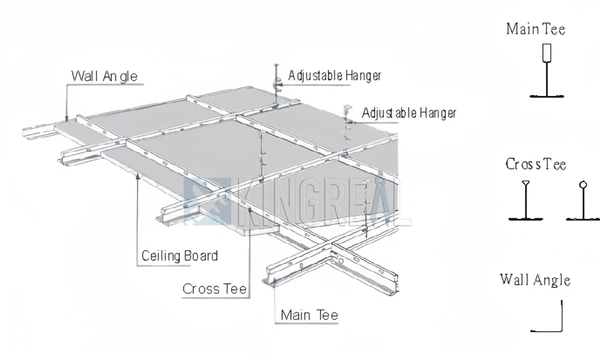
Ceiling T Grid Making Machine in Suspended Ceiling Systems
The ceiling t grid making machine is designed specifically for architectural suspended ceiling systems. The ceiling t grids it produces serve as the "skeleton" of the ceiling structure, playing a critical role in supporting ceiling panels and ensuring the overall flatness and stability of the suspended ceiling.
In practical engineering applications, the profiles produced by the ceiling t grid making machine must be precisely integrated with ceiling panels and other components produced by complementary equipment (such as metal ceiling tile production lines and open cell ceiling machines) to form a complete suspended ceiling system.
This ceiling t grid making machine is widely utilized in the interior ceiling projects of various civil and commercial buildings-including offices, shopping malls, schools, hospitals, and hotels-and is adaptable to a diverse range of interior design styles.
T Profile Making Machine in Facade Wall Systems
In contrast, the t profile making machine focuses on architectural facade wall systems. The t profiles it produces primarily function as load-bearing and structural support elements for facade walls, providing a stable mounting foundation for facade wall panels.
These profiles are typically installed in conjunction with exterior wall panels, structural components, and other elements produced by complementary equipment (such as metal stamping making machines and wall cladding panel machines) to construct exterior wall systems that offer superior performance in terms of wind resistance, rain protection, thermal insulation, and impact resistance.
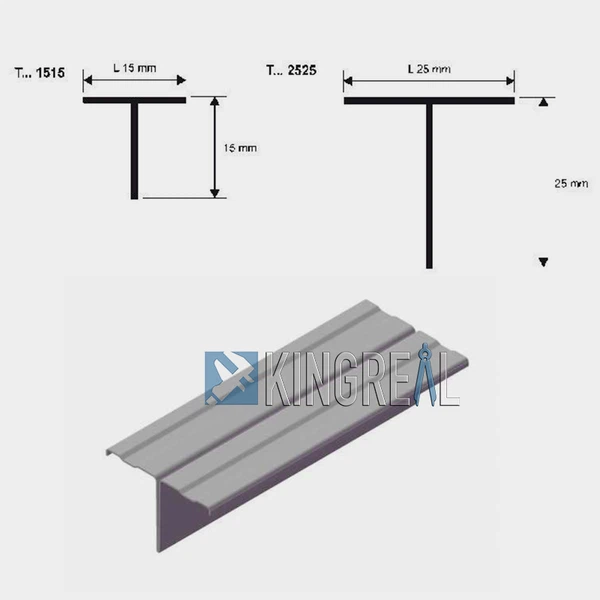
2. Material Thickness for T Profile and Ceiling T Grid Making Machines
2.1 Ceiling T Grid Making Machine for Thin Materials
The primary processing material for the ceiling t grid making machine consists of thin, lightweight metal sheets ranging from 0.3 to 0.4 mm in thickness; certain ceiling t grid making machines can accommodate thicknesses up to 1.0 mm. These materials typically include galvanized steel, color-coated steel, or aluminum alloy strips. Because the basic needs for ceiling system profiles-lightweight design, aesthetic appeal, and simplicity of installation-do not call for the
capacity to bear heavy structural loads, the ceiling t grid making equipment can successfully satisfy production demands without needing a high-strength forming or load-bearing structural design.
2.2 T Profile Making Machine for Thicker Materials
The processing material thickness for the ceiling t grid making machine ranges from 1.5 to 2.0 mm; under specific operating conditions, it can process even thicker sheets (up to a maximum of 3.0 mm). These materials are predominantly high-strength galvanized steel, weathering steel, and similar alloys. Exterior wall systems must withstand long-term exposure to wind and rain erosion, temperature fluctuations, and external structural loads; consequently, the profiles produced by the ceiling t grid making machine must possess sufficient thickness and strength to ensure the stability and durability of the facade wall structure.
3. Machine Design Configuration
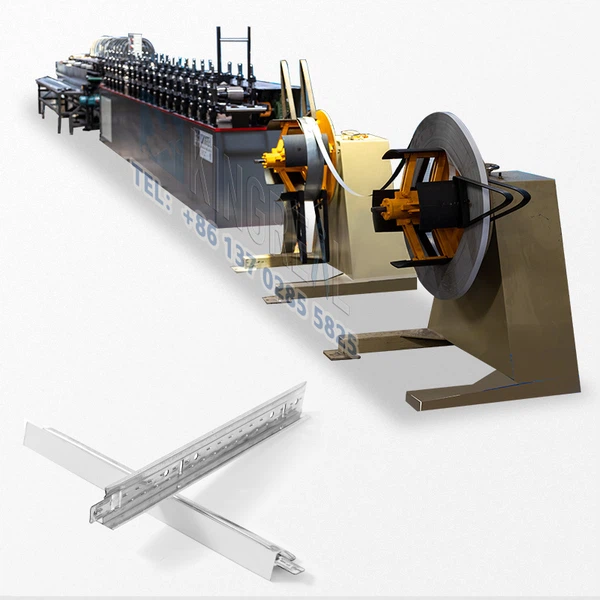
Standard configuration includes:
-Hydraulic Decoiler: Features a hydraulic drive system to ensure smooth and steady unwinding of metal coils, preventing slippage or deformation, and facilitating the efficient feeding of lightweight coil materials.
-Main Roll Forming Machine: Equipped with 16 to 20 sets of precision forming rollers manufactured from hardened Cr12 steel (hardness: HRC 56–62), ensuring precise cross-sectional dimensions for the T-grids (tolerance: ≤ ±0.2 mm). The forming rollers are custom-designed based on the client's specific requirements for the finished product type, enabling the production of a diverse range of T grid profiles.
-Punching and Shearing Station: Integrates hydraulic punching and fixed-length shearing functions. It offers high punching precision and allows for the simultaneous completion of the entire production process-including forming, punching, and shearing-in a single pass, thereby eliminating the need for secondary processing.
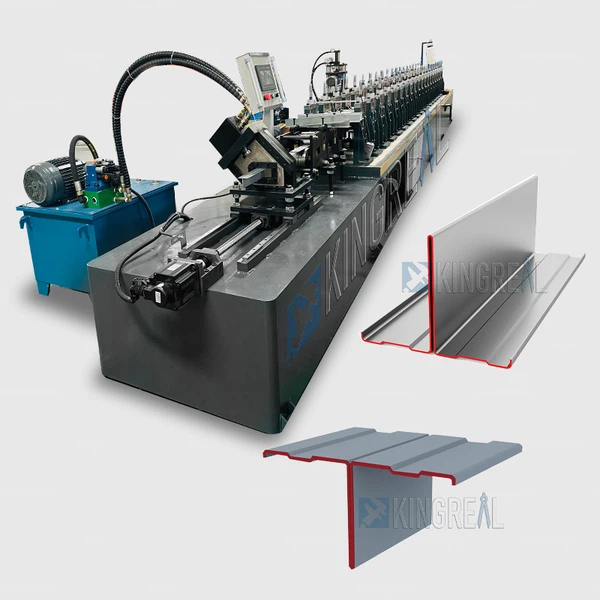
Standard Configuration:
-Decoiler: Typically utilizes a mechanical or hydraulic decoiler with superior load-bearing capacity (accommodating heavy coils weighing 5–10 tons). It is equipped with an automatic coil-centering device to ensure the smooth and stable feeding of thick coil materials.
-Roll Forming Machine: Features a heavy-duty welded steel frame and is equipped with 18–24 sets of high-torque forming rollers. The transmission system primarily employs gearbox drives, enabling it to withstand the high-intensity pressures associated with forming thick materials while ensuring both profile forming precision and equipment stability.
-Shearing Station: Employs a heavy-duty hydraulic shearing mechanism. The shear blades are crafted from Cr12MoV steel (with a hardness of HRC 58–62), allowing for the precise cutting of sheet metal ranging from 1.5 mm to 3.0 mm in thickness. It delivers strong shearing force and produces clean, flat cuts, perfectly meeting the specific fixed-length requirements for facade wall profiles.
▍Selection Recommendations of T profile and Ceiling T Grid Making Machine
There are significant differences between the t profile making machine and the ceiling t grid making machine in terms of application scenarios, material compatibility, and equipment design. When selecting a machine, it is crucial to focus on the following three key points:
1)Clarify the Application: If the machine is intended for use in suspended ceiling systems, select the ceiling t grid making machine; if it is intended for use in facade wall systems, select the t profile making machine.
2)Match Material Thickness: Verify the equipment's compatible thickness range based on the specific thickness of the sheet metal to be processed. By using an oversized machine for light-duty chores or an undersized machine for heavy-duty tasks, this avoids equipment wear and cost waste.
3)Evaluate Equipment Configuration: Select the appropriate equipment configuration based on specific requirements regarding production efficiency, precision standards, and desired auxiliary functions, ensuring a perfect alignment between the machinery and the project's specific needs.
Utilizing its great technical knowledge and strong industry experience, KINGREAL Roll Former offers a thorough, end-to-end service-from equipment selection and custom manufacture to after-sales help-to enable clients to finish their construction projects successfully and effectively. Please feel free to contact KINGREAL Roll Former at any time if you would like to know more about the precise features, unique solutions, or case pertaining our t profile making machine and ceiling t grid making machine for customized technical support and tailored solutions.